National Parks |
National Parks of Costa RicaCosta Rica’s National Parks: A Guide to the Country’s Living Legacies National parks of Costa Rica, volcanoes and natural reserves by region Costa Rica’s network of national parks isn’t just a system of protected areas—it’s a testament to a nation’s unwavering commitment to conservation, adventure and sustainable development. With 29 national parks spanning volcanoes, cloud forests, wetlands, coastlines and lowland jungles, these wild places offer every traveler a window into Earth’s most vibrant ecosystems. Let’s dive deep into the parks that make Costa Rica a global model for nature preservation—and discover how you can experience them in all their unfiltered glory. 
|
| Costa Rica National Parks and Reserves. You can find a list of the national parks and travel information. Locate national parks and places to visit by region. |
| Did you know that over 25% of Costa Rica is protected by National Parks and Reserves? |
VolcanoesVolcanoes and Central Highlands Poás Volcano National Park - Active crater lake with phosphorescent turquoise waters and smoking fumaroles. - Easy, paved trails leading to three observation platforms—sunrise visits pop above the clouds. - Optional side-trip to nearby Bajos del Toro waterfalls and high-elevation coffee farms. Irazú Volcano National Park Irazú Volcano National Park - Costa Rica’s tallest active volcano (3,432 m). On a clear day you can glimpse both the Caribbean Sea and Pacific Ocean from its summit. - Explore multi-colored craters and lunar-like landscapes. - Combine with Cartago’s historic ruins for a culture-nature mashup. Rincón de la Vieja National Park - A geothermal wonderland: steamy hot springs, bubbling mud pots and sulfur vents contrast with tropical dry forest. - Multi-day treks to Cerro von Seebach reward you with panoramic views and cold-water river crossings. - Canopy tours and waterfall rappelling add a shot of adrenaline. |
Pacific CoastNational Parks in the Pacific Coast and Southern Peninsula Manuel Antonio National Park is located in Quepos, Puntarenas. - Despite its small size, this park blends pristine beaches, lush forest and accessible trail networks. - Sloths, coatis and squirrel monkeys are almost guaranteed sightings on the coastal boardwalks. - Striking sunset vistas framed by offshore islets. Marino Ballena National Park The national marine park is located in Osa, Puntarenas - Named for the humpback whales (ballenas) that migrate here each year. - The “Whale’s Tail” sandbar—an ever-changing tidal formation—emerges at low tide. - Kayak or snorkel around offshore islands to glimpse dolphin pods and sea turtles. Corcovado National Park is located in the province of Puntarenas - Declared “the most biodiverse place on Earth” by National Geographic, Corcovado harbors jaguars, tapirs, scarlet macaws and four monkey species. - Rustic ranger stations and multi-day treks on the Sirena-Osa trail test your wilderness mettle in this conservation area. - Beach camping, remote waterfalls and ephemeral lagoons round out the expedition. |
Cloud ForestCloud Forest & Montane Reserves Monteverde Cloud Forest Reserve (not a “national park” but a flagship reserve)—worth the mention - Mist-enshrouded canopy alive with quetzals, trogons and resplendent biodiversity. - Skywalk hanging bridges, night walks to spot tree frogs, and high-elevation trails that thread through epiphyte-laden trees. Chirripó National Park - Home to Cerro Chirripó (3,820 m), the country’s highest peak. - The “Los Crestones” ridge hike spans paramo grasslands, dwarf forests and stony summits. - Wake up at dawn for a summit sunrise that sets the Caribbean slopes ablaze. |
CaribbeanYou can visit the parks in the caribbean lowlands and wetlands Cahuita National Park Located in the south coast of Limon - A rare coastal rainforest where verdant jungle meets coral reef. - Snorkel from the beach to see colorful parrotfish, octopus and nurse sharks. - Trails peppered with howler monkeys and white-faced capuchins make for wildlife-rich hikes. Tortuguero National Park - A labyrinth of canals navigable only by boat—powerful nesting grounds for green, leatherback and hawksbill turtles. - Guided night walks in nesting season (Jul–Oct) reveal turtle mothers laying eggs beneath moonlit skies. - Afro-Caribbean villages infuse your visit with baking plantain breads and reggae-infused folklore. Caño Negro Wildlife Refuge - A shallow lagoon teeming with migrating waterfowl, jabiru storks and American crocodiles. - Boat safaris guided by local naturalists give you front-row seats to fish-eating birds and iguana-lined banks. |
National Park 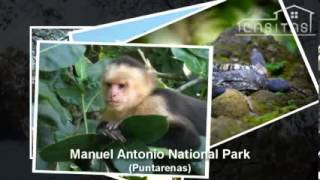
|
National Parks and Biological ReservesHow Parks Are Classified Costa Rica’s system extends beyond “national parks” to encompass: - Biological Reserves (e.g., Cabo Blanco, Santa Rosa) with restricted access for scientific research. - National Wildlife Refuges (e.g., Caño Negro, Barra Honda) focused on wetland and cave ecosystems. - Protected Zones & Forest Reserves that buffer core parks and link migratory corridors. - Wetland Sites of International Importance under the Ramsar Convention (e.g., Térraba-Sierpe Mangroves). Despite different labels, all share common goals: preserve biodiversity, enable research, foster sustainable tourism, and support local livelihoods. |
Conservation in Costa RicaConservation and reforestation in Costa Rica - Community-driven stewardship: Today, 25% of national territory is under some form of protection—one of the highest percentages worldwide—thanks to collaboration between government agencies, NGOs and local landowners. - Roots in reforestation: Deforestation peaked in the 1970s–80s. A powerful grassroots movement, spurred by biologists like Alexander Skutch and a visionary Ministry of Environment, reversed the trend through forest-payments and protected-area designations. - National park decree, 1970: Poás Volcano became Costa Rica’s first national park. In the decades that followed, parks multiplied to safeguard everything from coral reefs to cloud forest canopies. Long history of conservation of national parks for decades in Costa Rica |
WildlifeWildlife Highlights & Unique Encounters - Jaguar corridors in Corcovado and Tortuguero connect to Panama’s Darién Gap—ideal for large-cat tracking. - Quetzal-watching along the Los Quetzales Trail between San Gerardo de Dota and Cartago. - Turtle releases at Tortuguero, Ostional and Gandoca—hands-on conservation that you’ll never forget. - Shark dives off the Bat Islands in Santa Rosa National Park for adrenaline junkies. |
AdventurePlanning Your Park-Hopping Adventure - Best Seasons - Dry Season (Dec–Apr): Optimal hiking and beach days; popular parks get busy. - Green Season (May–Nov): Lush scenery, fewer crowds, epic waterfall flows—plus discounted lodging. - Permits & Park Fees - National parks charge entrance fees ranging from $10 to $20 USD per adult. - Remote parks (Corcovado, Chirripó) require advance permits and often guided tours. - Guides & Ecotours - Hiring certified local guides (many parks mandate them) enriches wildlife spotting and supports local economies. - Look for operators with Certification for Sustainable Tourism (CST) ratings of 4 or 5. - Gear & Logistics - Waterproof hiking boots, high-quality rain jacket and quick-dry layers are must-haves. - Insect repellent (DEET or picaridin-based) and reef-safe sunscreen will keep you comfortable and eco-friendly. - National park offices often coordinate shuttles from nearby towns—research schedules in advance. |
ConservationConservation Challenges & Community Initiatives - Illegal wildlife trafficking and unregulated hunting persist in remote pockets. - Infrastructure development (roads, tourism facilities) risks fragmenting habitats when not planned carefully. - Community-led patrols and payment-for-ecosystem-services programs pay private landowners to maintain forest cover, creating vital buffer zones around core parks. - Citizen-science projects like camera-trap monitoring allow visitors and locals to contribute to big-cat and primate research. |
Volunteering in Costa RicaBeyond the Gate: Volunteering, Research & Educational Opportunities - Sea Turtle Conservation: Nest monitoring and hatchling releases in Tortuguero, Ostional or Gandoca. - Reforestation Projects: Plant native tree seedlings in transition zones around Rincon de la Vieja. - Biological Station Internships: La Selva, Costa Rica’s premier research hub, runs programs on tropical ecology, herpetology and rainforest restoration. |
Nature in Costa RicaLooking Forward: The Next Chapter in Park Management As Costa Rica pursues carbon neutrality by 2050, its national parks will evolve into living laboratories for climate adaptation: - Green hydrogen research near geothermal parks like Rincón de la Vieja. - Rewilding corridors reconnecting isolated reserves to boost genetic diversity. - Digital interpretation (augmented-reality trails, bioacoustic monitors) that let visitors “hear” frog choruses and identify bird calls through smartphone apps. |
FutureFinal Thoughts and Next Steps Costa Rica’s national parks are more than vacation destinations—they’re frontiers where humans, wildlife and landscapes converge in harmony. Whether you dream of summiting a volcano at sunrise, floating through a turtle-nesting beach at midnight or catching the first quetzal of the day, these parks deliver moments that reshape how you see the natural world. Which park experience ignites your curiosity? Ready to map out a two-week itinerary, or interested in family-friendly park loops? Tell me your travel style—adrenaline, wildlife photography, deep ecology—and I’ll help you turn this guide into your personalized Costa Rican odyssey. |
| National Parks |
| Guayabo National Monument |
| Arenal Volcano |
| Braulio Carrillo National Park |
| Tenorio Volcano National Park, Celeste River |
| Chirripo National Park - Altitude of 3, 819 m - Perez Zeledon |
| Guanacaste National Park |
| Juan Castro Blanco National Park - Ciudad Quesada, San Carlos, Alajuela |
| Las Baulas National Marine Park - Playa Grande, Puntarenas |
| Palo Verde National Park - Guanacaste |
| Santa Rosa National Park |
| Tapanti National Park |
| La Amistad International Park |
| Cocos Island National Park - Isla del Coco |
| Piedras Blancas National Park |
| National Reserves |
| Carara Biological Reserve - Orotina |
| Islands : Guayabo Island, Negritos Islands and Pajaros Island Biological |
| Natural and Biological Reserves |
| Hitoy Cerere Biological Reserve |
| Caño Island Biological Reserve |
| Lomas Barbudal Biological Reserve |
| Monteverde Biological Reserve |
| Natural Refuges |
| Montes de Oro Protected Area - Esparza |
| Barra del Colorado National Wildlife Refuge |
| Gandoca Manzanillo National Wildlife Refuge |
| Golfito National Wildlife Refuge |
| Ostional National Wildlife Refuge |
| Curu National Wildlife Refuge |
| Caño Negro National Wildlife Refuge |
| Peñas Blancas Wildlife Refuge |
| Costa Rica's National Parks. List with information of the natural jewels of Costa Rica. |
| National Parks of Costa Rica |
| Parques Nacionales de Costa Rica |
| Osa Conservation Area, Corcovado National Park |
| Costa Rica National Parks - Poas, Irazu, Manuel Antonio, Tortuguero, Monteverde cloud forest. National parks in Costa Rica are exciting the visitors. - |
| Costa Rica National Parks and Reserves - Go Visit Costa Rica - |
| National Parks of Costa Rica |
| The 10 Best National Parks in Costa Rica |
| Travel |
| Costa Rica National Parks in brief |